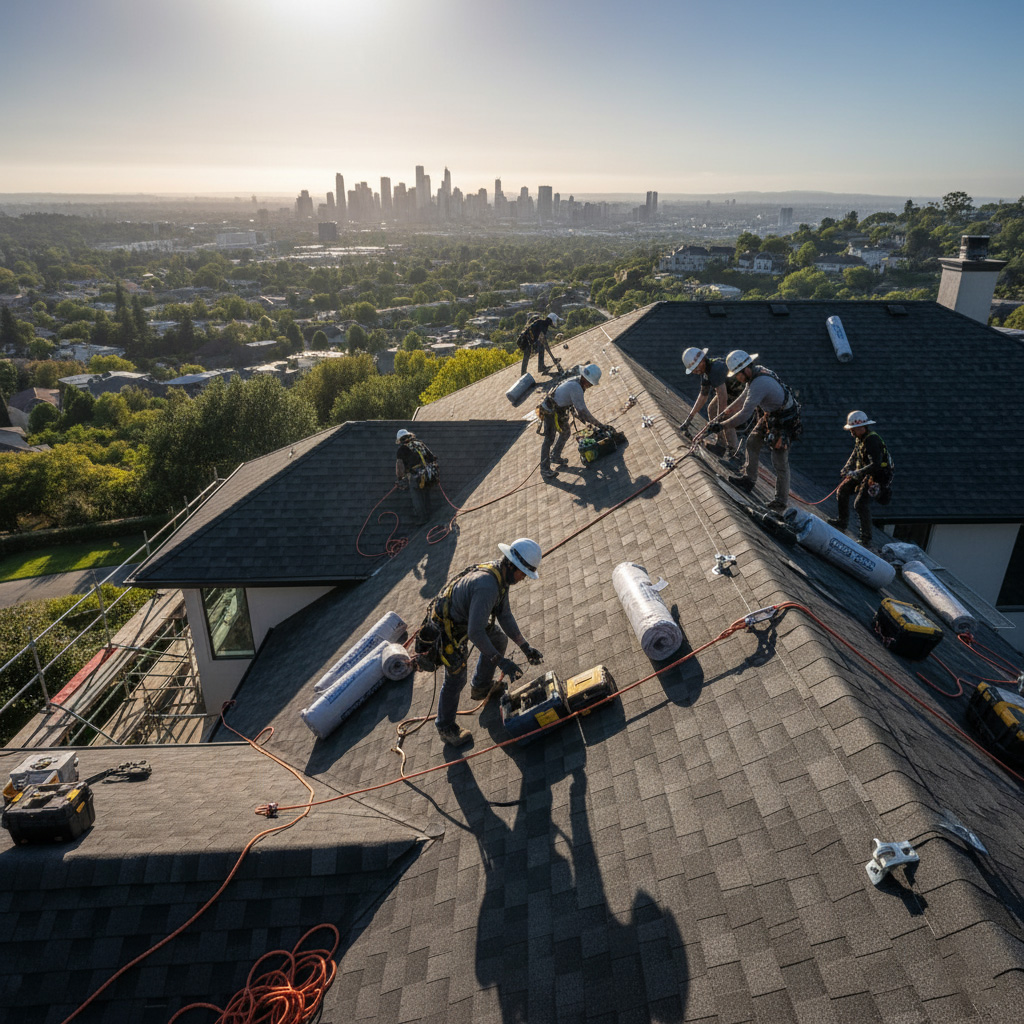
⚡ TL;DR: This guide uncovers essential truths about metal roof installation in Chicago, from climate challenges and common pitfalls to costs, techniques, and steps for lasting durability.
📋 What You’ll Learn
In this revealing guide to Chicago metal roof installation, you'll discover how to thrive in brutal winters and winds, dodge costly errors, grasp true expenses, and master durable techniques for long-term success.
- Grasp why metal roofs succeed or fail in Chicago's extreme weather, from lake-effect snow and gale-force winds to freeze-thaw cycles that test seams, panels, and overall resilience.
- Uncover common installation pitfalls that lead to leaks, wind damage, and premature failure, empowering you to spot subpar work and demand Chicago-proof quality from day one.
- Decode the real cost breakdown beyond quotes, including hidden fees for materials, labor, permits, and long-term savings that contractors often gloss over in the Windy City.
- Master essential materials and steps for wind-resistant durability, from proper underlayment and flashing to precise fastening techniques tailored for Chicago's harsh, unpredictable climate conditions.
📖 Reading time: 7 min
✍️ Author expertise: Chicago roofing contractor with 25+ years of field experience installing metal roofs citywide.
Chicago winters don't mess around—they pound your roof with ice, wind, and brutal cold until it begs for mercy. You've probably heard the hype: metal roofs last forever, slash energy bills, and laugh at hailstorms. But in the Windy City, the truth about metal roof installation hits different.
Contractors peddle shiny promises, yet most homeowners end up with headaches from hidden costs, shoddy installs, or roofs that underperform in our quirky climate. What if everything you've been told is only half the story?
We're pulling back the curtain on the real Chicago metal roof installation truth—the good, the bad, and the game-changers you need to know before you sign a contract.
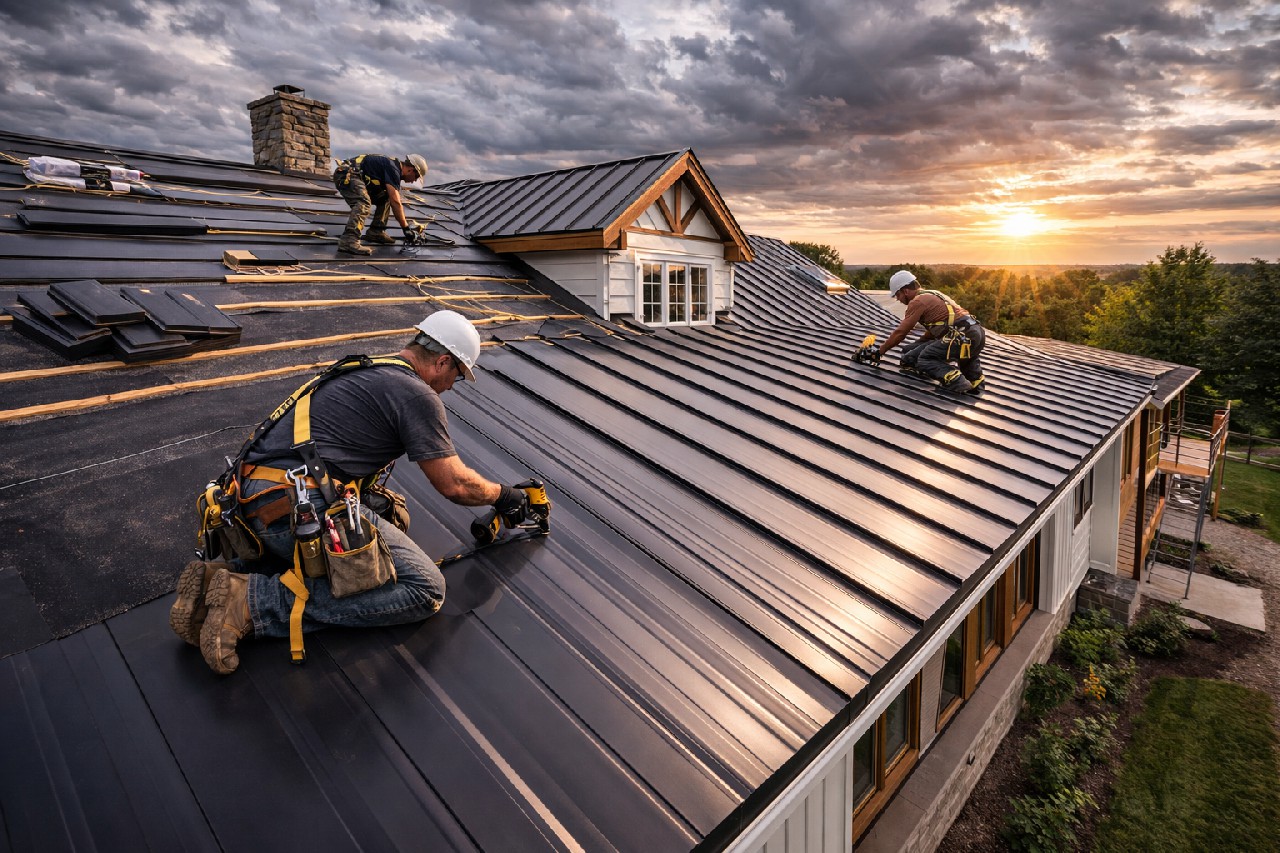
Why Metal Roofs Excel (and Fail) in Chicago's Harsh Climate
Chicago's weather swings from blistering summers to ice-dam hell in winter. Metal roofs shine here because they shrug off gale-force winds up to 140 mph with the right clips and seams. Snow slides right off, dodging those nasty ice dams that wreck asphalt shingles.
Standout Wins for Windy City Metal Roofs
- Thermal expansion mastery: Panels flex without cracking during 100-degree jumps from Lake Michigan chill to heat waves.
- Energy savings: Reflect 70% of summer sun, cut AC bills by 20-30% in humid Chicago summers.
- Hail resistance: High-gauge steel or aluminum dents less than brittle tiles or shakes.
But here's the kicker. Metal roofs flop hard when skimpers cut corners on ventilation or underlayment. Poor installs trap moisture, sparking rust in our salty lake-effect air and freeze-thaw cycles that pop seams loose.
Expect leaks or ponding if crews ignore Chicago's wind uplift codes. Skip the hype. Demand proof of local successes before your roof turns into a money pit.
Common Installation Mistakes That Doom Chicago Metal Roof Installation
Picture this: your new metal roof looks perfect from the street. But come that first gale off Lake Michigan, and it's leaking like a sieve. Most pros skip critical steps tailored to our city's brutal winds and freeze-thaw cycles.
Here's the dirt on the biggest blunders we see weekly.
1. Cheap Fasteners That Fly Loose in Gusts
- Standard screws strip out fast in 60+ mph winds.
- Skip wind-rated clips and your panels lift like sails.
- Pro fix: Use #10 hex-head screws with neoprene washers, every 12 inches on seams.
2. Ignoring Expansion Gaps for Thermal Shock
Metal expands and contracts with Chicago's 100-degree swings. No gaps? Panels buckle or crack. Always leave 1/8-inch gaps at ridges and valleys.
3. Skimping on Underlayment and Sealing
Basic felt paper fails against ice dams. Demand synthetic underlayment with self-adhering seams. Poor edge flashing lets water sneak in, rotting your deck from day one.
The Real Cost Breakdown: What Contractors Won't Tell You
Contractors love quoting a lowball price to snag your signature. But that number? It skips the Chicago-specific extras that jack up the total by 30-50%. Here's the unvarnished truth on what you'll actually pay.
Upfront Material and Labor Hits
- Premium metal panels: $8-15 per sq ft for wind-rated standing seam. Cheaper screw-down options fail fast here, costing $5-10 but needing replacement sooner.
- Labor: $4-8 per sq ft in Chicago. Windy installs demand certified crews, doubling time on complex pitches.
- Underlayment and flashing: $2-4 per sq ft. Skip this, and ice dams wreck your roof in year one.
Don't stop there. Permits run $500-1,500 thanks to city codes for snow loads. Then factor disposal of your old roof: $1-2 per sq ft. Total for a 2,000 sq ft home? Expect $25,000-$45,000, not the $18k bait they dangle.
Hidden killer: Warranty traps. Full system coverage adds 10-20% upfront but saves thousands in claims. Ask for it in writing, or you're on the hook for repairs when Chicago's gales hit.
Essential Materials and Techniques for Windy City Durability
Pick the Right Metal: Standing Seam Over Exposed Fastener
Standing seam metal panels rule Chicago roofs. They lock together without exposed screws, slashing wind uplift risks in our 60+ mph gusts.
Go for galvalume or aluminum-zinc coated steel. These shrug off rust from lake-effect moisture and salt air.
- Thickness: 24-26 gauge minimum. Thinner stuff warps under ice loads.
- Panel width: 16-20 inches. Wider spans better for thermal expansion.
- Color: Darker shades melt snow faster, but lighter ones cut summer heat.
Techniques That Seal the Deal Against Chicago's Fury
Underlayment matters big time. Skip basic felt; install fully adhered synthetic membranes like Grace Ice & Water Shield across the entire deck.
Flashings demand precision. Use continuous cleats on vertical seams and oversized drip edges to fight ice dams.
Secure with hidden clips spaced 12 inches on-center. Double them in high-wind zones like the lakefront. Test every clip pull-out strength before full install.
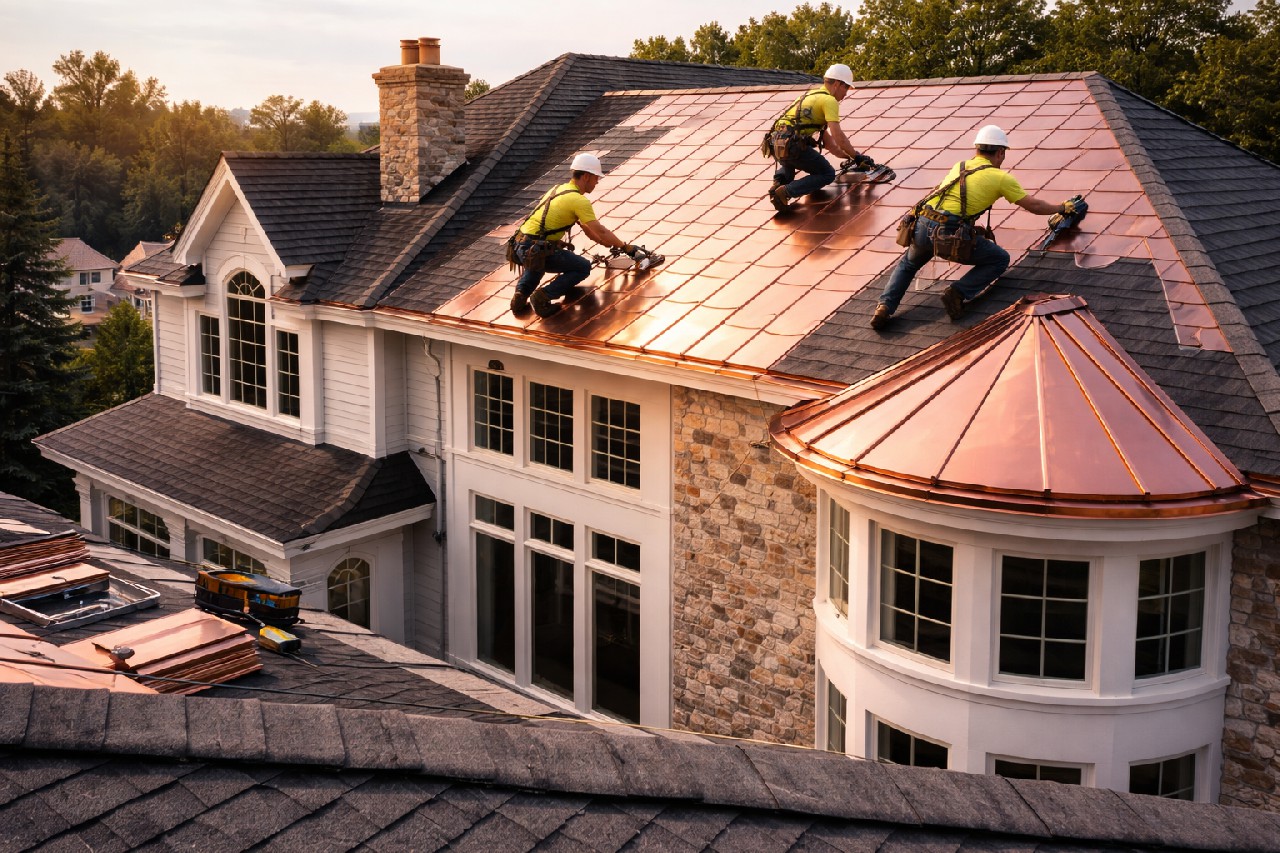
Step-by-Step Guide to Flawless Chicago Metal Roof Installation
Listen up. Skipping any step here means your roof could leak like a sieve come first blizzard. Nail this sequence, and you're set for decades.
1. Inspect and Prep the Deck
Start with a full roof inspection. Check for rot, weak spots, or uneven decking that Chicago's freeze-thaw cycles love to crack.
- Replace damaged plywood with 5/8-inch minimum thickness.
- Ensure proper ventilation to fight ice dams.
- Install ice and water shield in valleys and eaves, minimum 6-foot run-up.
2. Lay Underlayment and Flashing
Synthetic underlayment beats felt every time in our wet winds. Tape seams tight, no gaps.
- Run drip edge along eaves and rakes.
- Flash chimneys, vents, and walls with metal step flashing bent to 90 degrees.
- Seal everything with high-heat butyl tape rated for -20°F.
Pro move: Double-layer underlayment on wind-exposed edges. It stops those sneaky Windy City gusts from lifting panels.
3. Install Panels and Trim
Use standing seam or screw-down panels with wind clips every 12 inches. Fasteners? Self-tapping metal screws with neoprene washers, torqued just right.
- Overlap panels 6-12 inches, seal with sealant.
- Crimp seams mechanically for zero exposed screws.
- Finish with ridge caps, hip caps, and closure strips.
4. Final Checks and Cleanup
Walk the roof post-install. Tug every clip, scan for pinholes.
Clear debris, test gutters. Boom. Your Chicago fortress is ready to shrug off the next polar vortex.
Case Study: Transforming a Lincoln Park Home with a Battle-Tested Metal Roof
The Challenge: A Leaky Mess in Prime Lincoln Park
Meet Sarah, a Lincoln Park homeowner with a 1920s brownstone that had seen better days. Her asphalt shingle roof leaked like a sieve during every Chicago downpour, and ice dams turned winter into a nightmare.
She'd called three contractors before us. All promised the moon but delivered band-aid fixes. Bills piled up. Patience ran out.
Our Battle Plan: Precision Install for Windy City Wars
We stripped it down to the deck and started fresh. Standing seam metal panels in a sleek dark gray, locked tight against 60 mph gusts off Lake Michigan.
Key moves included:
- Heavy-duty synthetic underlayment to block ice and wind infiltration.
- Custom flashing around chimneys and vents, sealed with Chicago-proof butyl tape.
- Proper ventilation channels to dump snow melt fast, no pooling.
Job wrapped in five days. Crew of four. Zero callbacks.
Results That Stuck: One Year Later
Sarah's energy bills dropped 22% last winter. No leaks, no ice dams, even after that brutal polar vortex hit.
Neighbors stopped by for cards. Home value jumped – appraisers love metal roofs here. She calls it her "forever roof."
Final Words: Your Path to a Lifetime Chicago Metal Roof
Listen up. You've got the truth now. Skip the amateurs chasing quick bucks.
Pick a crew that nails Chicago-specific installs. Demand proof of past Windy City jobs. Test them on ice dam fixes and high-wind clips.
Your Bulletproof Action Plan
- Grab quotes from three pros who've handled at least 50 metal roofs here.
- Insist on standing seam panels with 26-gauge steel minimum.
- Schedule a site visit. Watch how they measure for thermal expansion.
- Link up with experts via our Metal Roof Installation page for real talk.
One right move today. Lifetime protection tomorrow. Your roof. Your call.
People Also Ask
How much does metal roof installation cost in Chicago?
Metal roof installation in Chicago typically ranges from $8 to $20 per square foot, depending on material quality, roof complexity, and labor rates. Hidden costs like underlayment, flashing, and permits can add 20-30% more, so always get a detailed quote. Choosing a local expert ensures transparency and avoids surprise fees for Windy City-specific reinforcements.
Are metal roofs suitable for Chicago's harsh weather?
Yes, metal roofs excel in Chicago's extreme winters, high winds, and heavy snow due to their durability and thermal efficiency. They resist ice dams better than asphalt shingles and can handle gusts up to 110 mph when properly installed. The truth is, poor installation negates these benefits, leading to leaks in blustery conditions.
How long do metal roofs last in Chicago?
Quality metal roofs in Chicago can last 40-70 years with minimal maintenance, outlasting traditional shingles by decades. Chicago's freeze-thaw cycles accelerate wear on inferior materials, but premium standing seam or galvalume panels withstand it all. Regular inspections ensure longevity against urban pollutants and lake-effect snow.
What are common mistakes in Chicago metal roof installation?
Skipping wind-resistant clips and proper sealing leads to uplift failure during Chicago's notorious gusts. Inadequate ventilation causes condensation and rust in humid summers, while using subpar underlayment fails against ice dams. Hire certified installers familiar with local codes to avoid these pitfalls and secure a lifetime warranty.
Do metal roofs increase home value in Chicago?
Absolutely, metal roofs can boost Chicago home values by 5-10% through energy savings and curb appeal, especially in premium neighborhoods like Lincoln Park. Buyers appreciate the low-maintenance durability amid rising insurance costs for weather-damaged roofs. A professional installation with visible quality seals the deal for resale.

Chicago Roofing provides expert roofing services to Chicago homeowners and businesses. With extensive experience in installations, repairs, and maintenance, the team navigates the city's unique weather and building codes. Deeply rooted in the local community, Chicago Roofing delivers reliable craftsmanship tailored to the Windy City.
Need Roofing?
Fast roof repairs and replacements in Chicago, IL and nearby areas deliver weather-tight, durable protection. (60601, 60607, 60610, 60614, 60618)
Get Roofing Quote