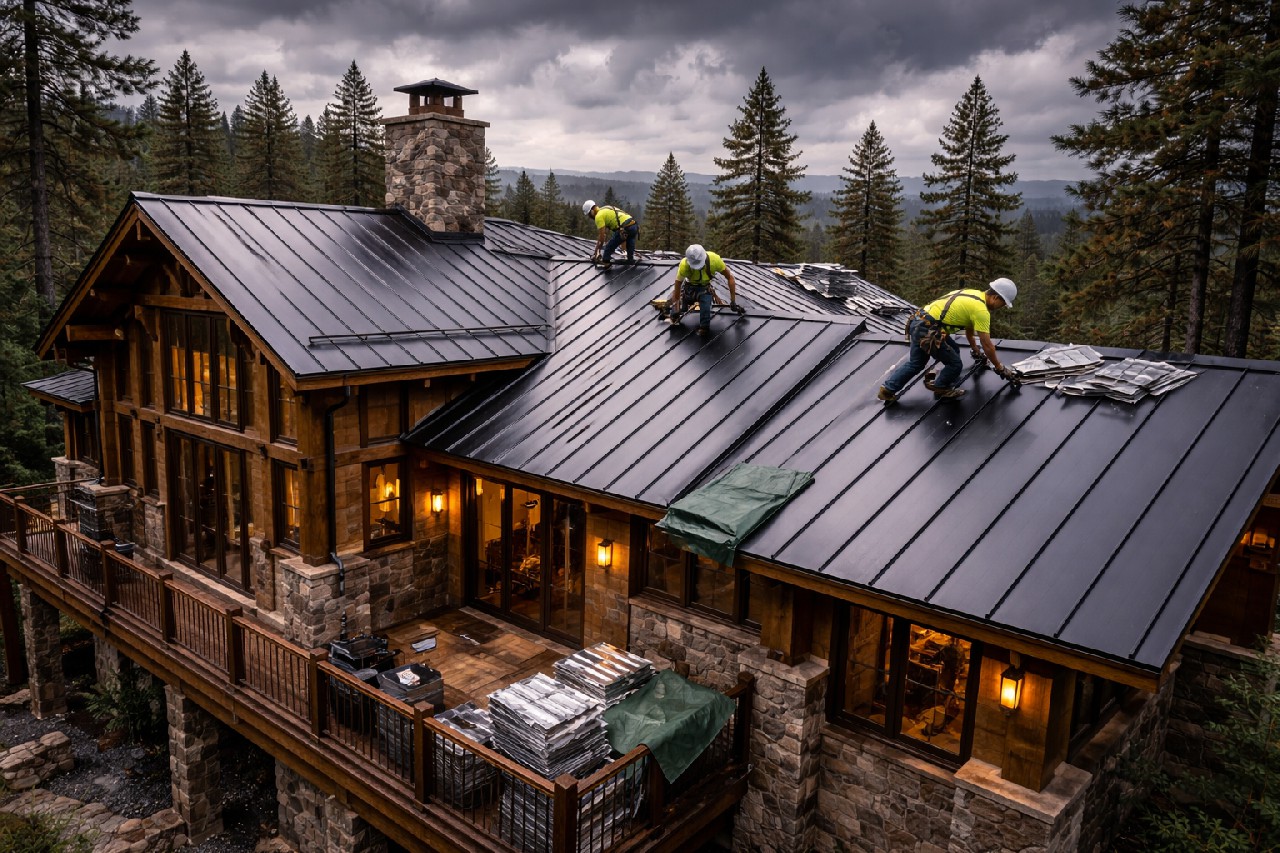
⚡ TL;DR: This guide covers essential roof ventilation installation for Chicago homes, addressing climate needs, types, warning signs, attic assessment, and a step-by-step process.
📋 What You’ll Learn
In this essential guide to Chicago roof ventilation, you’ll uncover why local weather demands it, top vent types, warning signs, assessment methods, and pro installation steps for lasting protection.
- Grasp Chicago’s climate challenges and how extreme winters, humid summers, and wind drive the need for superior roof ventilation to prevent ice dams, mold, and structural damage.
- Explore best vent types for Chicago homes including ridge, soffit, turbine, and powered options tailored to withstand harsh Midwest conditions and boost attic airflow efficiency.
- Identify poor ventilation red flags like attic heat buildup, shingle wear, moisture stains, and high energy bills so you can act before costly repairs become inevitable.
- Assess your attic’s needs accurately using simple checks for airflow ratios, insulation impacts, and square footage to ensure balanced intake and exhaust for optimal performance.
- Follow a pro installation blueprint from planning vents and sealing gaps to testing airflow, helping Chicago homeowners achieve energy savings and roof longevity.
📖 Reading time: 7 min
✍️ Author expertise: Chicago roofing pro with 20+ years installing ventilation systems from real Windy City job sites.
Ever step into your Chicago attic during a brutal July scorcher and feel like you're baking in a pizza oven?
That stifling heat isn't just uncomfortable—it's a silent killer for your roof, shortening shingles' life, spiking energy bills, and inviting mold that wrecks rafters.
Chicago's wild swings from deep-freeze winters to humid summers demand smart roof ventilation to keep your home safe and cool.
Let's dive into the must-knows that could save your roof—and your wallet—from the next big storm.
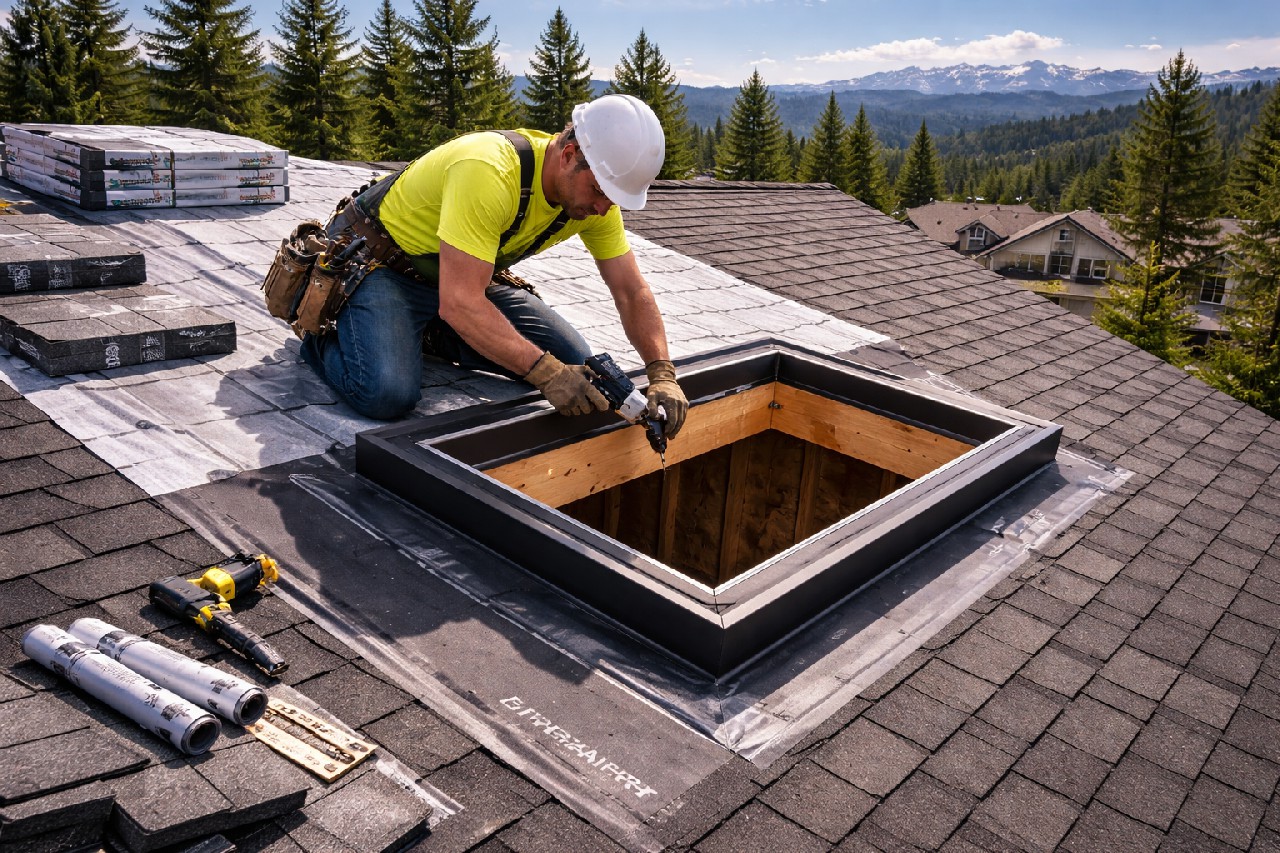
Why Chicago's Climate Demands Expert Roof Ventilation
Chicago weather hits like a freight train. Freezing winters plunge temps below zero, while summers crank up to 90 degrees with sticky humidity. These swings stress your roof like nothing else.
Winter brings ice dams that turn your gutters into dams of destruction. Snow melts on a warm roof, refreezes at the edges, and backs up water under shingles. Left unchecked, it leaks inside, rotting your structure.
Summer Heat Traps Moisture and Jackets Your Energy Bills
- Attics hit 150 degrees, baking shingles brittle and prone to cracking.
- Trapped moisture breeds mold and mildew, weakening rafters over time.
- Your AC runs nonstop, costs skyrocket 20-30% higher than needed.
Expert ventilation fights back. It pulls hot air out in summer, vents moisture in winter. Get it wrong, and you're pouring money into repairs. Done right, your roof lasts decades longer.
Key Types of Roof Ventilation for Chicago Homes
Chicago roofs face brutal humidity and ice dams. Pick the wrong vents, and you're begging for trouble. Passive vents win big here because they work without electricity, slashing your bills during those endless Windy City power outages.
Passive Powerhouses
- Soffit vents: Pull cool air from the eaves, perfect for our steamy summers. They pair with ridge vents for nonstop airflow.
- Ridge vents: Run the full roof peak, exhausting hot air like a chimney. Essential for Chicago's freeze-thaw cycles that warp shingles.
- Gable vents: Sidewall classics for older bungalows. Great starters, but upgrade if your attic spans the whole house.
These keep costs low and reliability high. No fans to fail when a Nor'easter hits.
Active Boosters for Tough Attics
Sometimes passive isn't enough for flat roofs or tight spaces. Powered attic fans kick in during peak heat, shoving out trapped moisture before it rots your framing.
- Turbine vents: Wind-driven whirlers that spin harder in gusts, ideal for lakefront homes battling constant breezes.
- Solar fans: Free energy from the sun, no wiring hassles. They hum quietly through July's 90-degree infernos.
Match the type to your roof pitch and attic layout. We'll measure it right during a free inspection.
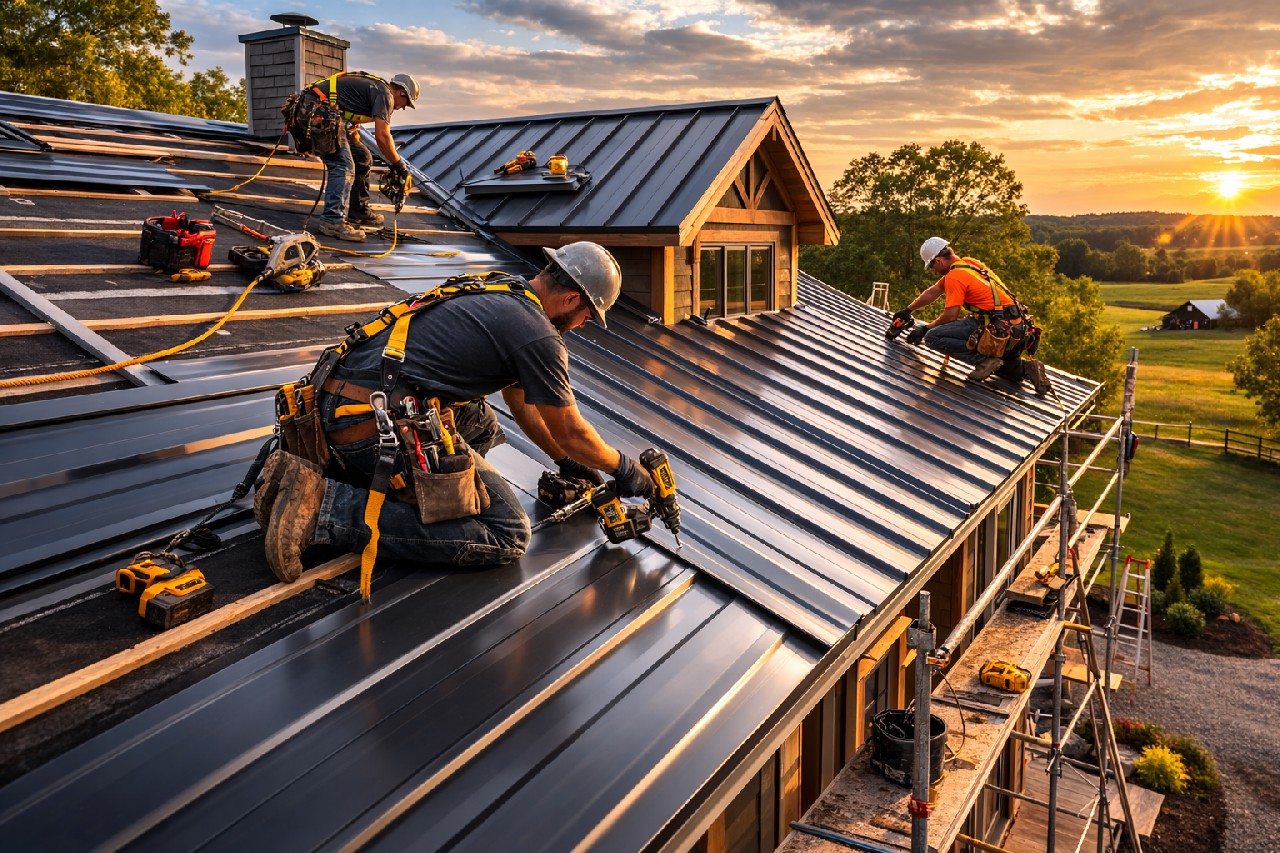
Spotting the Warning Signs of Poor Ventilation
Your attic tells the story first. Walk up there on a mild day. If it's hotter than a Chicago street in August, poor ventilation is cooking your roof from the inside.
Look for these red flags that scream "fix me now":
- Ice dams clinging to your eaves after a winter thaw—trapped heat melts snow, then refreezes.
- Shingles curling, cracking, or peeling way too soon, often within 10 years.
- Spikes in your energy bills, even when the thermostat's set low.
- Musty odors or dark streaks on rafters from mold growth.
- Frost buildup on the underside of your roof deck during cold snaps.
Chicago-Specific Clues
Our lake-effect humidity turns small problems into disasters fast. Check for wet insulation clumping together. Or rafters with brown stains from constant moisture.
Ignore these at your peril. They lead straight to leaks, rot, and a roof replacement you can't afford.
How to Assess Your Attic's Ventilation Needs
Start simple. Climb into your attic on a mild day. Feel the air. Does it move? Or hang heavy like a wet blanket?
Measure Your Attic's Square Footage
Grab a tape measure. Note the length and width of your attic floor. Multiply for total square footage.
Chicago code calls for 1 square foot of net free vent area per 150 square feet of attic space. Half intake at eaves, half exhaust at the ridge. Short on that? You're playing with fire.
- Intake vents: Check soffits for blockages like insulation or paint buildup.
- Exhaust vents: Look for turbine spinners, ridge vents, or gable fans. Count 'em.
- Bonus: Snap photos. We'll review 'em free during a consult.
Next, test the heat. Stick a thermometer in the attic rafters during peak summer. Over 130°F? Your shingles are cooking.
Humidity check seals it. Use a cheap meter. Above 60%? Mold's throwing a party up there.
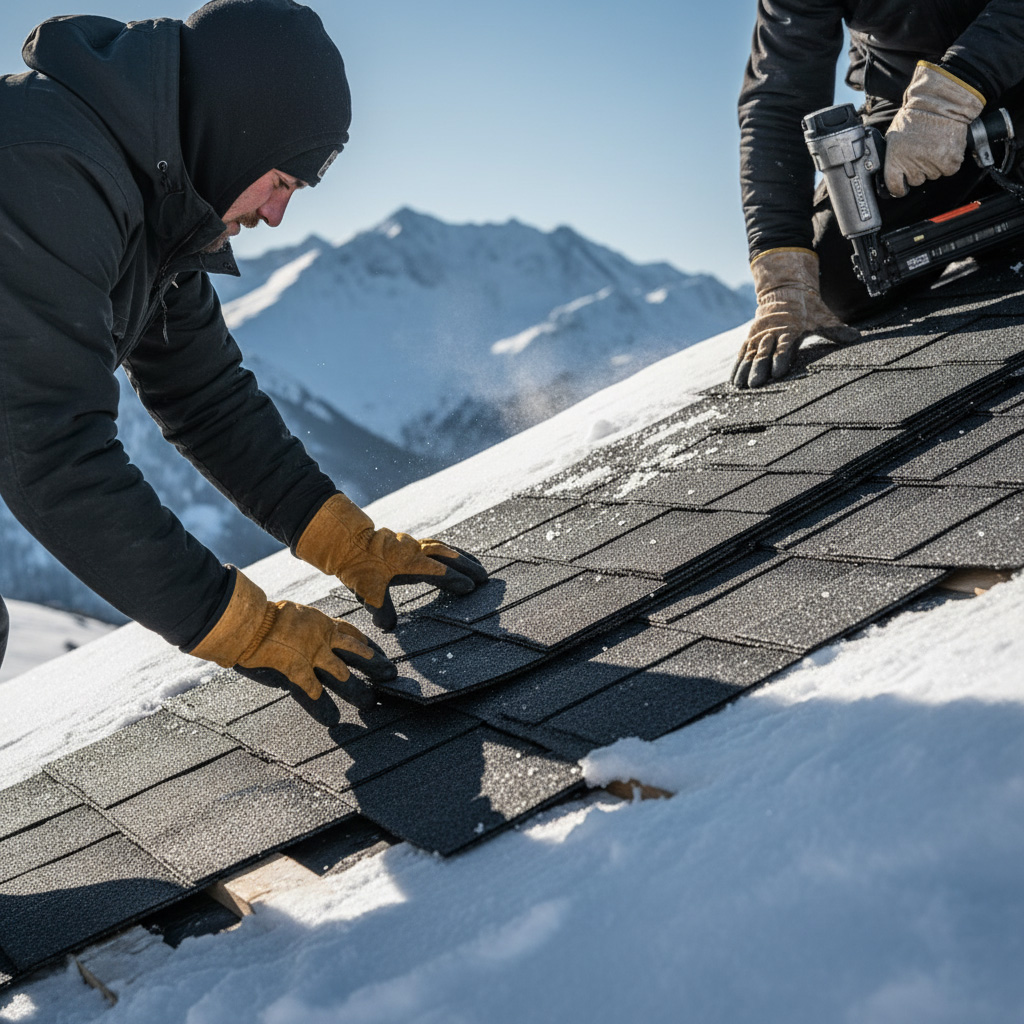
Step-by-Step Roof Ventilation Installation Guide
Ready to fix your Chicago attic's hotbox problem? This guide walks you through adding roof ventilation the right way. Grab safety gear first: gloves, goggles, ladder, and a buddy for roof work.
1. Measure and Plan
Calculate your attic's square footage. Aim for one square foot of net free vent area per 150 square feet of attic space, per Chicago building codes.
- Inspect rafters for baffles. Install them if missing to keep insulation in place.
- Mark spots for intake vents (soffits) and exhaust (ridge or gable).
2. Install Intake Vents
Cut soffit panels carefully with a jigsaw. Fit vent screens snugly, then secure with screws.
Seal edges with caulk to block pests. Do both eaves for balanced airflow in those Windy City gusts.
3. Add Exhaust Vents
Slice your ridge cap open along the peak. Slide in ridge vent material, overlap sections, and nail down.
- Test airflow with a smoke pencil. No drafts? Recheck seals.
- Pro tip: Skip DIY on steep pitches. Call Chicago roofers to dodge falls and code fails.
Case Study: Reviving a Lincoln Park Home's Roof
Picture this: A busy Lincoln Park family in a charming 1920s bungalow. Come last summer, their attic hit 140 degrees Fahrenheit on a typical Chicago scorcher. Shingles curled, AC bills doubled, and ice dams wrecked havoc come winter.
We showed up for a free assessment. Attic space screamed neglect—no ridge vents, clogged soffits, barely 1 square foot of net free ventilation per 150 square feet of attic. Mold spots dotted the rafters; energy loss was off the charts.
The Fix That Turned It Around
- Installed continuous ridge vent along the peak for hot air escape.
- Added baffled soffit vents for cool intake airflow.
- Sealed gaps and added insulation baffles to prevent blockages.
Three weeks post-install, attic temps dropped 30 degrees. Energy bills fell 25%. No more ice dams this winter—the roof's breathing easy now, poised for another 20 years.
Final Thoughts
Chicago roofs take a beating from our extreme weather. Proper ventilation isn't a nice-to-have—it's your frontline defense against premature wear and skyrocketing bills.
Skip the guesswork. Get a pro inspection today to match your home with the right system.
Ready to breathe easy? Dive deeper into our Roof Ventilation Installation options and lock in a free quote before the next heatwave hits.
- Act fast on those attic red flags.
- Choose ridge vents or fans that fit your roof pitch.
- Save thousands in repairs down the road.
Your roof will thank you. So will your energy meter.
People Also Ask
What makes Chicago's climate unique for roof ventilation needs?
Chicago experiences extreme temperature swings, from humid summers to harsh, snowy winters, which trap moisture and heat in attics without proper ventilation. Poor ventilation leads to ice dams, mold growth, and premature roof decay. Installing balanced intake and exhaust vents ensures year-round protection tailored to the Windy City's demands.
How much attic ventilation does a Chicago home typically need?
The general rule is one square foot of net free ventilation area per 150 square feet of attic space, but Chicago homes often require closer to 1:100 due to heavy snowfall and humidity. Factor in roof pitch, insulation levels, and local building codes for precise calculations. A professional assessment guarantees compliance and optimal airflow.
What are the signs of inadequate roof ventilation in Chicago roofs?
Look for ice dams in winter, shingle curling or cracking, attic temperatures exceeding 130°F in summer, and musty odors or condensation. These issues shorten roof life and spike energy bills in Chicago's variable climate. Early detection prevents costly repairs like mold remediation or full roof replacement.
Which roof ventilation types work best for Chicago homes?
Soffit vents for intake paired with ridge or turbine vents for exhaust provide balanced airflow ideal for Chicago's weather extremes. Powered attic fans suit homes with limited passive options, while solar-powered versions cut energy costs. Consult local experts to match ventilation to your roof style and Chicago code requirements.
How much does roof ventilation installation cost in Chicago?
Costs range from $500-$2,500 depending on home size, vent type, and existing roof condition, with ridge vents averaging $1,000 for a typical installation. Chicago's labor rates and permits add 20-30% to national averages. Investing upfront saves thousands in energy efficiency and roof longevity.

Chicago Roofing delivers expert roofing services to Chicago homeowners and businesses. With years of hands-on experience, the team specializes in installations, repairs, and maintenance designed for the city's demanding weather. Deeply committed to the Chicago area, Chicago Roofing focuses on reliable solutions for local properties.
Need Roofing?
Fast roof repairs and replacements in Chicago, IL and nearby areas deliver weather-tight, durable protection. (60601, 60607, 60610, 60614, 60618)
Get Roofing Quote