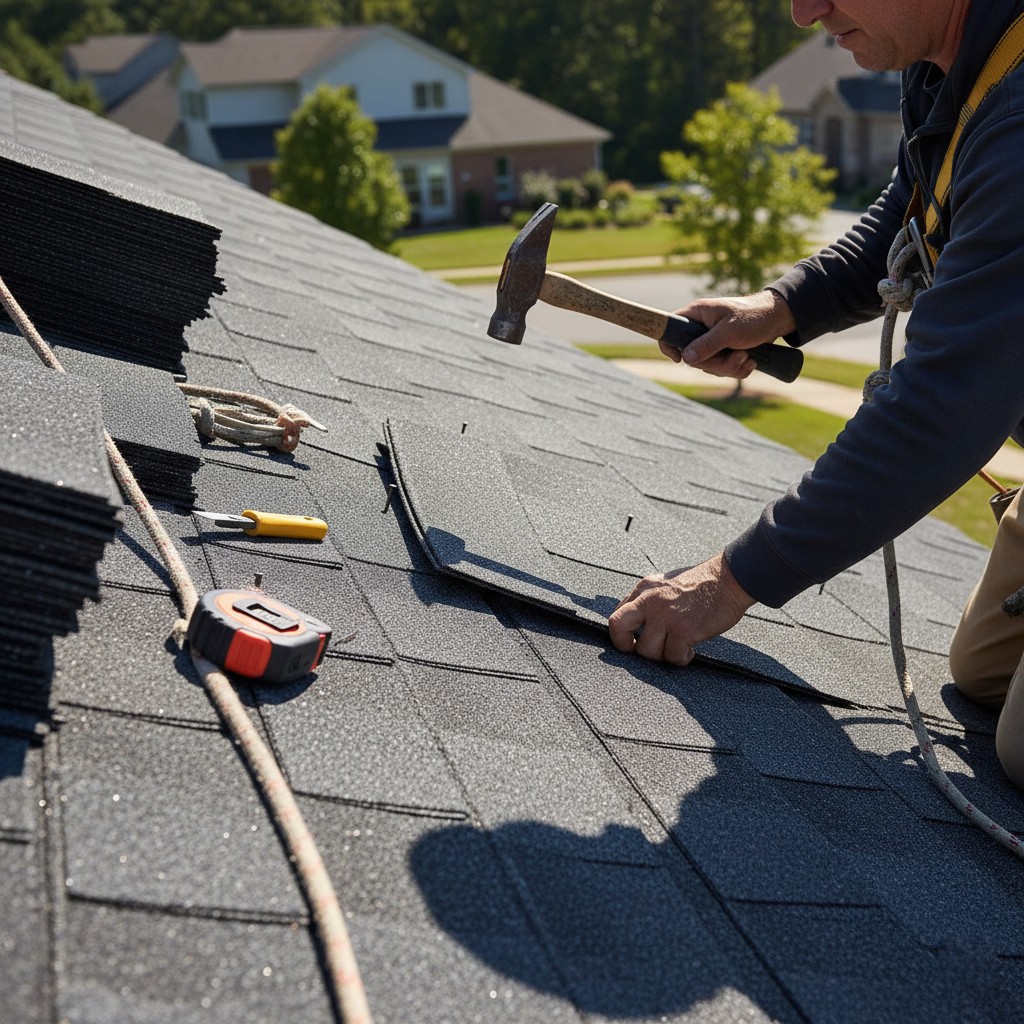
⚡ TL;DR: Learn how Ice and Water Shield Installation safeguards Chicago roofs from ice dams through materials overview, benefits, step-by-step guidance, and common mistakes to avoid.
📋 What You’ll Learn
In this guide to Ice and Water Shield installation for Chicago roofs, you’ll master combating ice dams, selecting materials, installation steps, avoiding pitfalls, and real local success stories for winter protection.
- Grasp ice dams and Chicago roof risks from heavy lake-effect snow, freeze-thaw cycles, and poor insulation that lead to leaks, rot, and expensive structural damage every harsh winter.
- Explore Ice Shield materials and types including self-adhering membranes, rubberized asphalt, and peel-and-stick options best suited for steep pitches and eaves in Midwest climates.
- Uncover key benefits for your home like superior leak prevention, extended shingle life, energy savings, and peace of mind against Chicago’s brutal ice buildup and water infiltration.
- Master step-by-step installation techniques from surface prep and priming to proper overlapping, flashing integration, and sealing for durable, code-compliant results on sloped roofs.
- Avoid common installation mistakes such as skimping on underlayment, ignoring valleys, poor adhesion in cold temps, and neglecting attic ventilation to prevent failures and callbacks.
📖 Reading time: 7 min
✍️ Author expertise: Chicago roofing pro with 20 years installing Ice Shields on local homes from real winter field experience.
Chicago winters hit like a freight train, packing blizzards that pile snow high and melt into ruthless ice dams.
One slip-up on your roof, and you're staring at leaks flooding your attic, warped floors, and repair bills that sting worse than the wind chill.
But here's the game-changer: proper ice shield installation turns that nightmare into a non-issue for Chicago homeowners.
Keep reading to grab the essentials that protect your roof and your wallet this season.
What Are Ice Dams and Why Chicago Roofs Are Vulnerable
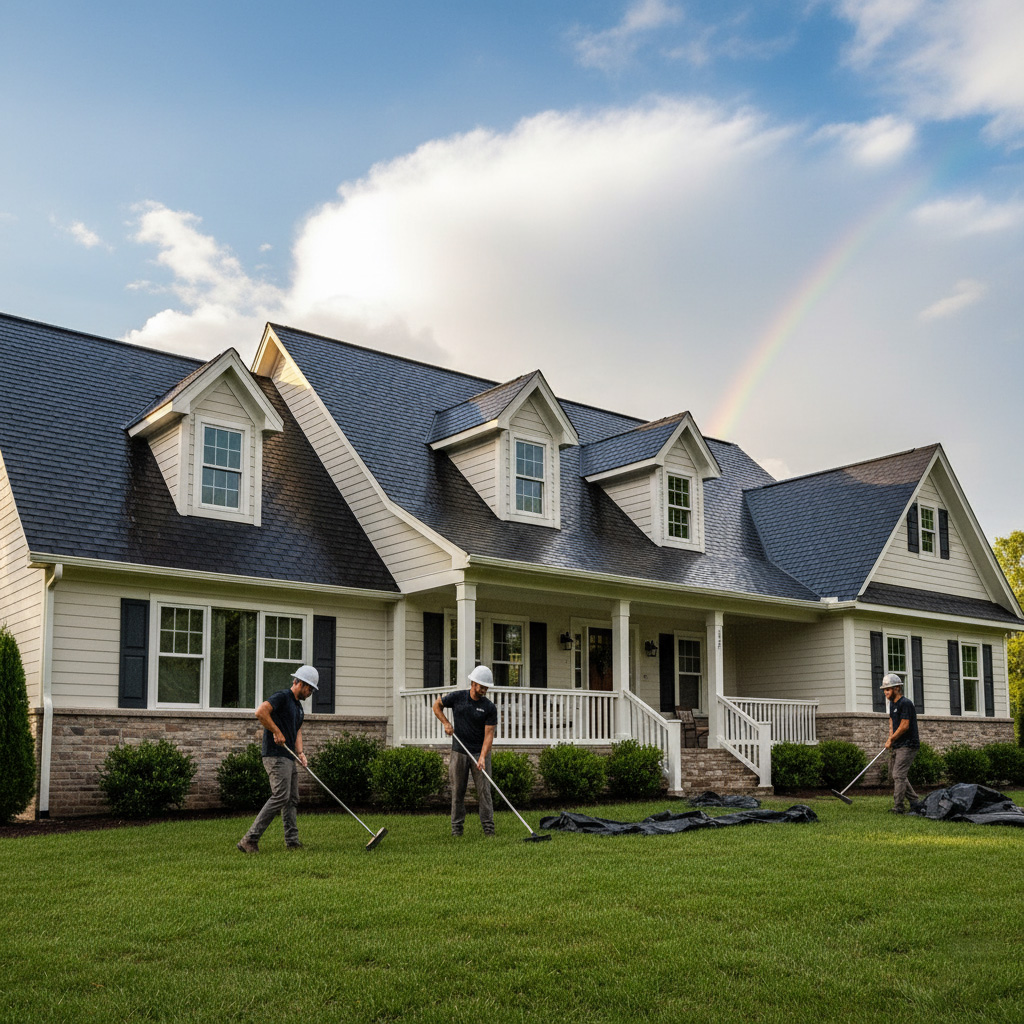
Ice dams form when snow melts on a warm roof, then refreezes in the gutters and eaves. This creates a solid ice barrier that blocks melting water from draining off. Trapped water backs up under shingles and seeps into your home.
Picture this: heat from your attic warms the roof edge unevenly. Snow up top stays put, but lower sections thaw and refreeze fast. That cycle turns your roof into a leaky disaster waiting to happen.
Chicago's Brutal Setup Makes It Worse
- Lake-effect snow dumps feet of heavy, wet accumulation that sticks around.
- Temperature swings from 40°F days to sub-zero nights speed up the melt-freeze loop.
- Older homes in neighborhoods like Lincoln Park pack heat-trapping attics with poor ventilation.
Result? Chicago roofs face ice dams more often than most cities. Skip protection, and you're gambling with structural damage year after year.
Understanding Ice and Water Shield: Materials and Types
Ice and water shield is your roof's bulletproof layer against sneaky water infiltration. It's a self-adhering membrane, usually made from rubberized asphalt blended with polymers for killer flexibility and stickiness.
Picture this: snow melts, refreezes, and backs up under shingles. This stuff seals cracks and bridges gaps, stopping leaks dead in their tracks.
Core Materials That Make It Tough
- Rubberized asphalt: The backbone, sticky as hell and waterproof to the core.
- Polymer modifiers: Boost elasticity so it won't crack in Chicago's freeze-thaw hell.
- Glass fiber or polyester mats: Reinforce it for tear resistance during installs.
Types Built for Chicago Roofs
Standard peel-and-stick rolls cover eaves and valleys perfectly. Go for high-temp versions if your attic runs hot; they won't melt under summer sun.
Pro tip: Skip cheap plastic underlayments. Real ice shield grips like glue and lasts decades.
Key Benefits of Ice Shield for Protecting Chicago Homes
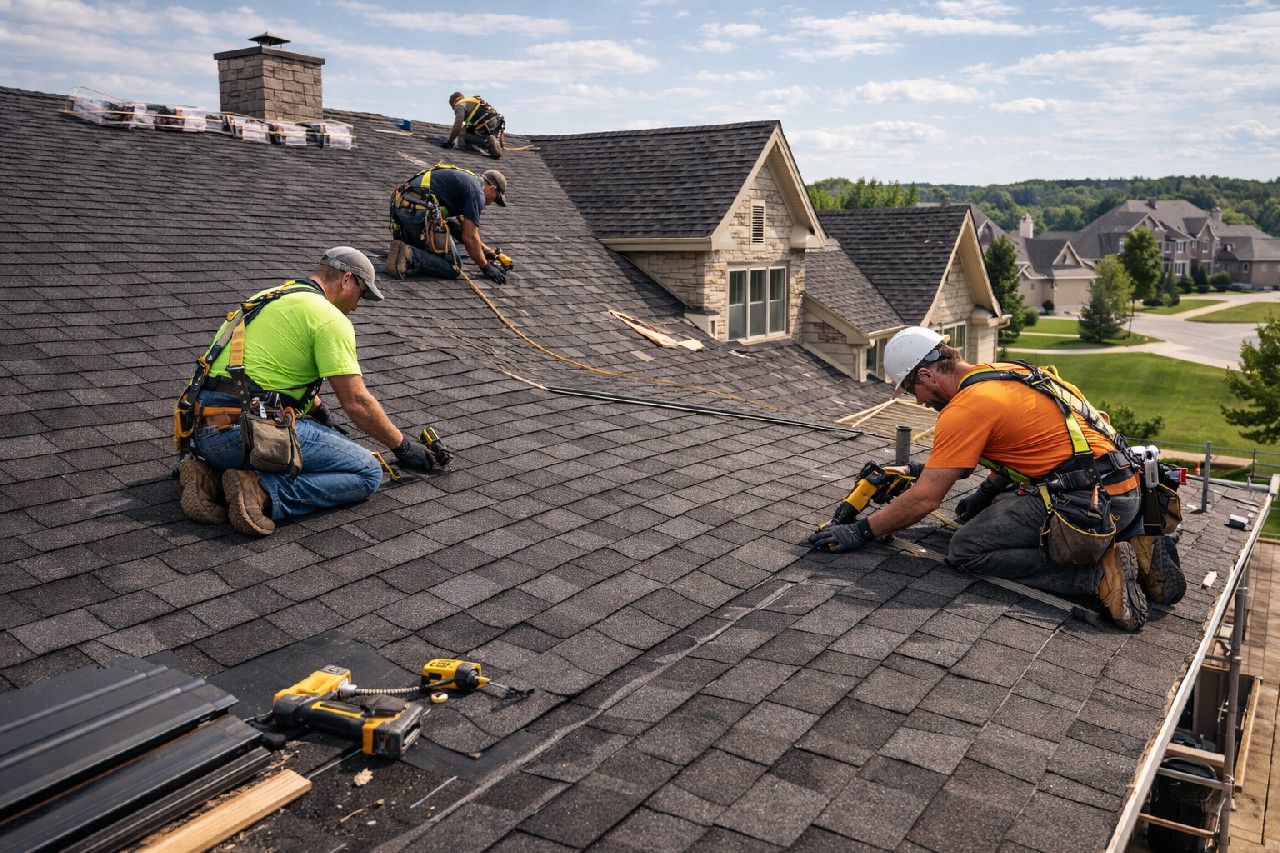
Picture this: snow melts, refreezes, and ice dams form right over your eaves. Ice shield steps in as a waterproof barrier that channels that sneaky water away from your home's vulnerable spots.
No more attic floods or peeling paint inside. It clings tight to the roof deck, sealing nail holes and cracks like a pro.
Why It Crushes Chicago Winters
- Leak-proof armor: Blocks ice dam water before it sneaks under shingles.
- Extends shingle life by years. Less wear from trapped moisture.
- Cuts repair costs. One install dodges thousands in water damage fixes.
Chicago's freeze-thaw cycles wreck roofs fast. Ice shield laughs them off.
Bonus: it amps up energy savings. Fewer drafts mean lower heating bills when Lake Michigan winds howl.
Homeowners sleep sound. No 3 a.m. drip panics during blizzards.
Step-by-Step Guide to Proper Ice Shield Installation
Installing ice shield right keeps Chicago's brutal freeze-thaw cycles from punching holes in your roof. Pros handle this daily, but if you're DIY-savvy, follow these steps to nail it. Skip a beat, and leaks will find you fast.
Prep Your Roof Deck Like a Pro
Clear all debris, old shingles, and nails first. Make sure the deck is dry and smooth - no gaps wider than 1/8 inch. Wet wood? Wait it out; moisture traps doom the seal.
- Measure from the eaves up at least 24-36 inches, or to the first rafter truss.
- Cut rolls to fit, leaving 2-3 inches overhang at edges.
- Roll out starting at the gutter line, sticky side down.
Layer and Seal for Bulletproof Coverage
Overlap each run by 6 inches horizontally, 12 inches vertically. Press firmly with a hand roller - no wrinkles, no bubbles. Hit valleys, dormers, and penetrations extra hard.
Seal edges with compatible mastic or tape. Cap with underlayment above, then shingles. Done right, this beast sheds ice like a duck's back.
Common Mistakes to Avoid During Installation
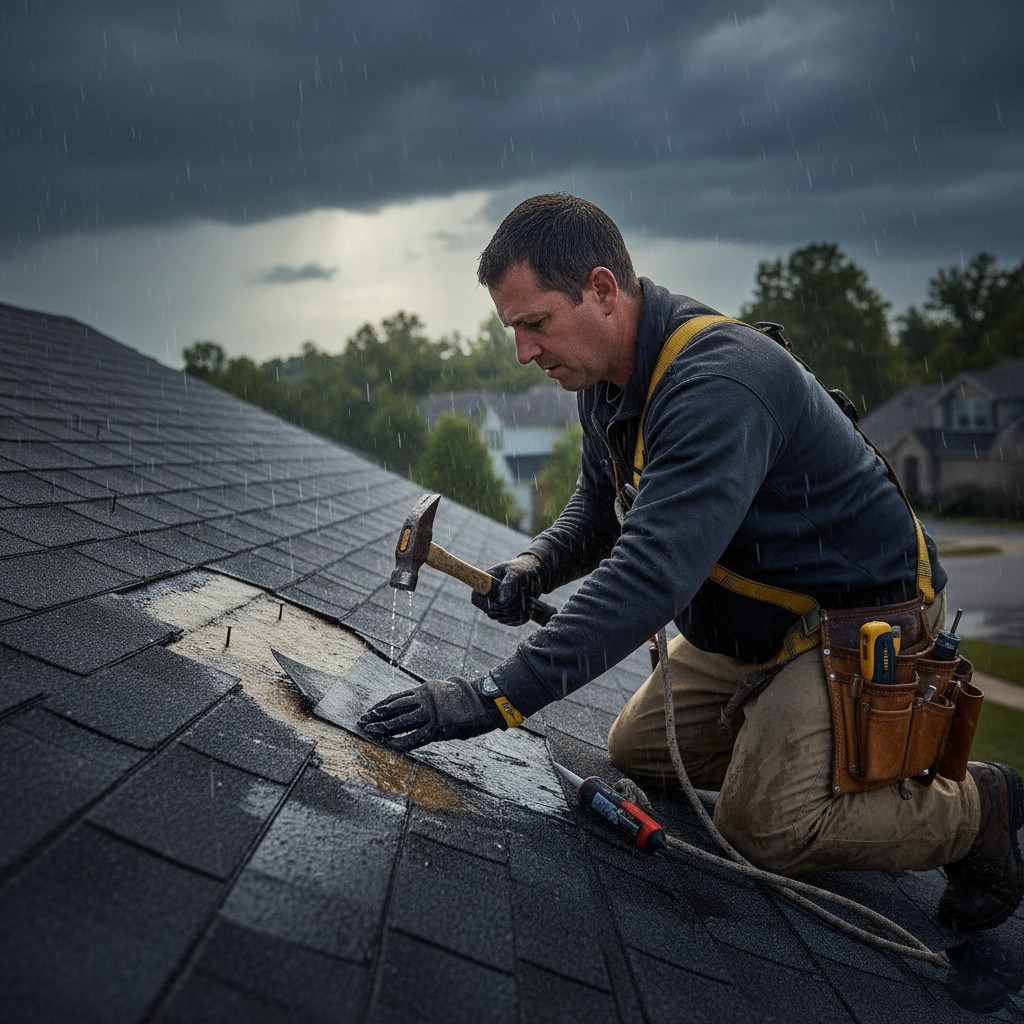
One wrong move during ice shield installation, and your Chicago roof turns into a ticking time bomb for leaks. Homeowners who skip pro help often botch the basics. Let's spotlight the pitfalls that cost thousands in water damage.
Skimping on Overlap and Coverage
- Running the shield only 2 feet up from the eaves? Snow melt will sneak right past, pooling under shingles.
- Forget to overlap seams by 6 inches minimum? Water finds those gaps like a heat-seeking missile.
- Pro tip: Extend it 24-36 inches up the roof in Chicago's brutal freeze-thaw cycles for real armor.
Another killer: slapping it down on a dirty roof. Dust, old granules, or debris kill adhesion faster than a polar vortex. Clean that surface spotless first, or watch your shield peel off mid-winter.
Dont grab cheap self-adhering rolls either. They crack in sub-zero temps and fail when you need them most. Stick to premium, cold-weather-rated ice and water shield. Your attic stays dry; your sanity intact.
Case Study: Rescuing a Wrigleyville Roof from Ice Dam Devastation
Picture this: Mike, a die-hard Cubs fan in Wrigleyville, woke up one January morning to water dripping from his bedroom ceiling. His 20-year-old asphalt shingle roof had buckled under a brutal ice dam after back-to-back blizzards dumped 18 inches of snow.
The damage? Sogging wet insulation. Mold starting to creep. And a $12,000 repair quote that hit him harder than a foul ball to the face.
The Nightmare Before Ice Shield
- Snow melted during a freak warm spell, refroze at the eaves into a 4-inch ice ridge.
- Water backed up under shingles, sneaking into the attic through tiny gaps.
- By the time Mike called us, floors warped and electrical outlets sparked from hidden leaks.
We tore off the damaged sections fast. Installed premium self-adhering ice and water shield across the entire eaves, valleys, and penetrations. Full 6-foot run up from the drip edge, no shortcuts.
Fast forward six months: zero leaks after the next polar vortex. Mike's roof stood strong. His only regret? Not calling sooner.
Final Thoughts
Chicago roofs don't stand a chance against ice dams without the right armor. Ice shields aren't just a nice-to-have; they're your frontline defense keeping water out and costs down. Skip them, and you're rolling the dice on your home's future.
Act now before the next storm hits. Grab a pro inspection. And check our full lineup on Ice and Water Shield Installation to see how we handle it right.
- Spot leaks early with annual checks.
- Choose peel-and-stick shields for eaves and valleys.
- Budget $500-$2,000 for full coverage on a standard roof.
One solid install beats a thousand headaches. Your roof thanks you. Stay dry out there.
People Also Ask
What is ice and water shield?
Ice and water shield is a premium self-adhering waterproof underlayment made from rubberized asphalt, designed to create a watertight seal on roofs. It acts as a secondary barrier against water infiltration from ice dams, wind-driven rain, and leaks. In Chicago's harsh winters, it's essential under shingles in vulnerable areas like eaves, valleys, and around penetrations.
Is ice and water shield necessary for Chicago roofs?
Yes, ice and water shield is crucial for Chicago roofs due to frequent freeze-thaw cycles and heavy snowfall that cause ice dams. These dams can force water under shingles, leading to interior damage and mold. Professional installation ensures compliance with local building codes and maximizes protection for your home.
How do you install ice and water shield on a roof?
Start by cleaning and priming the roof deck, then roll out the membrane starting from the eaves, overlapping seams by 3-6 inches. Use a hand roller to eliminate air bubbles and ensure full adhesion, extending it up valleys and around chimneys. For best results in Chicago, hire certified roofers to follow manufacturer guidelines and integrate it seamlessly with shingles.
How much does ice and water shield cost in Chicago?
Ice and water shield costs $1.50-$3.50 per square foot installed, depending on material quality, roof size, and labor rates. In Chicago, a typical 2,000 sq ft roof might run $3,000-$7,000 total. Factors like roof pitch and accessibility can affect pricing, but it's a worthwhile investment to prevent costly ice dam repairs.
Can ice and water shield prevent all ice dam damage?
Ice and water shield significantly reduces ice dam damage by sealing leaks, but it's most effective when combined with proper attic insulation and ventilation. It won't eliminate ice dams entirely, as they stem from heat loss, but it protects against water backup. Chicago homeowners should pair it with annual roof inspections for comprehensive defense.

Chicago Roofing delivers expert roofing services to homes and businesses across Chicago, IL. With years of hands-on experience, the team handles repairs, replacements, and maintenance tailored to local weather demands. Committed to the Chicago community, they focus on durable craftsmanship and dependable results.
Need Roofing?
Fast roof repairs and replacements in Chicago, IL and nearby areas deliver weather-tight, durable protection. (60601, 60607, 60610, 60614, 60618)
Get Roofing Quote